
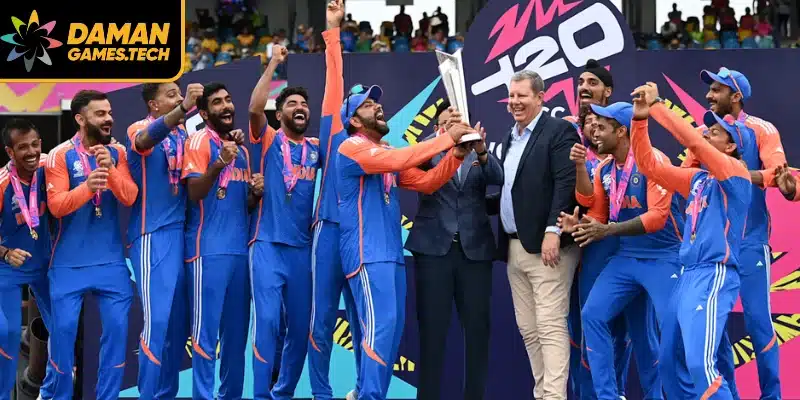
T20 world cup opens a chapter where rhythm, pressure, and ambition blend into unforgettable sequences. Each contest redefines how supporters interpret momentum, form, and spectacle across modern cricketing landscapes. Allow the unfolding stories to guide your perspective, letting Daman Game accompany a deeper connection toward the moments that deserve attention.
Overview of the T20 world cup landscape
The modern T20 world cup reflects a tournament no longer limited to spectacle, instead revealing carefully structured campaigns built across several competitive tiers. National programs increasingly align domestic calendars, youth leagues, and international tours to refine depth. Broadcasters now track micro metrics, presenting viewers with context beyond scores, reshaping how performances are perceived.
Across continents, preparation cycles integrate data science with traditional cricket culture, producing squads that mirror regional identities while sharing global ambitions. Stadium environments emphasize immersive engagement, weaving sound, light, and storytelling into matchday experiences. These shifts reposition the event as a season-long narrative rather than a brief sporting interlude.
Media attention has expanded into analytical storytelling, offering profiles of emerging hubs from South Asia to the Caribbean. Each host city becomes a temporary cultural capital, attracting industries, tourism, and creative communities. Such breadth ensures the tournament continues evolving as both competition and cultural forum.

Top players eyeing the T20 world cup spots
Elite selections rarely emerge from reputation alone, as performance curves across domestic circuits influence every shortlist. Analysts now monitor consistency windows measured across 18 to 24 months, valuing adaptability over isolated brilliance. Within this environment, aspirants cultivate distinct profiles that appeal to selectors seeking tactical elasticity.
Rising openers reshaping tempo
The T20 world cup conversation increasingly highlights young openers who build pressure without sacrificing control. Their strike distribution often clusters between 135 and 160, allowing partnerships to stabilize while preserving explosive potential. Domestic leagues across Asia and Oceania report growing investments into technical coaching for this batting role.
Beyond numbers, these players refine situational awareness, rotating strike during early overs while reserving boundary options for calculated moments. Such maturity reflects exposure to varied pitch conditions and international bowling styles. Their development pathways emphasize adaptability rather than singular aggression.
Middle-order anchors under scrutiny
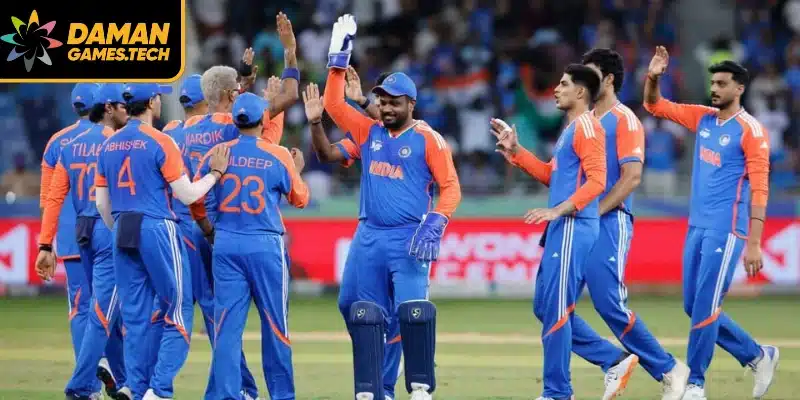
Selectors often view the middle order as narrative drivers, capable of redirecting momentum under fluctuating run rates. In recent seasons, performance audits reveal heightened emphasis on boundary conversion ratios and strike recovery speed after dot-ball sequences.
These athletes cultivate composure through extended stints in franchise competitions, where travel density and unfamiliar environments sharpen focus. Their influence rarely appears in highlight reels alone, instead emerging through partnerships that stabilize innings trajectories.
Bowlers redefining power phases
The T20 world cup spotlight increasingly shifts toward bowlers who command early and late overs with equal authority. Variation depth now outweighs raw pace, as cutters, wide yorkers, and seam positioning disrupt established hitting arcs. Analytics departments chart release-point diversity as a predictor of sustained impact.
Training modules integrate biomechanical reviews, minimizing fatigue across condensed schedules. This approach sustains velocity while preserving accuracy, enabling bowlers to navigate high-pressure phases without compromising control.
Fielding specialists gaining prominence
Modern squads allocate dedicated slots to players whose fielding efficiency translates into tangible run prevention. Metrics now quantify reaction latency, throw precision, and boundary interception success across multiple venues.
Such specialization elevates collective discipline, ensuring momentum swings originate from effort rather than chance. The field becomes an active strategic surface, reinforcing cricket’s multidimensional evolution.
Strategic insights for the T20 world cup
Contemporary frameworks prioritize scenario modeling, allowing coaching units to rehearse over 120 simulated match states before tournaments commence. These rehearsals inform role clarity, ensuring players internalize expectations beyond positional labels. Such structures encourage intuitive responses when unpredictable sequences unfold.
Venue analytics shaping match planning
The T20 world cup itinerary now undergoes scrutiny at granular levels, from square boundary dimensions to average dew accumulation after sunset. Teams compile databases tracking over-by-over scoring zones, linking them to historical weather trends.
These insights influence batting orders and bowling rotations, aligning player strengths with spatial probabilities. Match planning thus becomes a dialogue between environment and execution, rather than static formula.
Conditioning cycles and recovery science
Modern campaigns integrate recovery metrics alongside tactical sessions, reflecting recognition that physical freshness directly affects decision-making clarity. Monitoring sleep patterns, hydration indices, and neuromuscular markers informs rotation policies across congested schedules.
Such programs extend competitive longevity, enabling athletes to sustain intensity throughout tournaments that often compress rest windows. Preparation transforms into a continuous calibration process rather than periodic training blocks.
Psychological mapping of opponents
The T20 World Cup arena exposes behavioral tendencies under pressure, prompting analysts to construct detailed psychological profiles of players and teams. These analytical maps go beyond raw statistics, identifying response patterns to crowd noise, sudden scoreboard shifts, hostile venues, and unexpected partnership disruptions.
By understanding who tightens up, who becomes overly aggressive, and who thrives amid chaos, coaches gain a decisive strategic edge. This intelligence is then applied in real time to carefully time field placements, bowling rotations, and tactical pauses, subtly steering opponents toward mental discomfort zones.
Rather than relying on brute dominance, teams increasingly favor quiet manipulation of tempo and perception. Subtle orchestration replaces overt confrontation, shaping high-stakes contests through narrow but decisive cognitive margins where matches are truly won or lost.
Technology – enhanced decision ecosystems in T20 World Cup
Real-time dashboards now deliver predictive alerts regarding fatigue thresholds and matchup efficiencies. Such systems synthesize historical footage with live telemetry, offering captains situational guidance without overshadowing instinct, a balance also reflected in analytical platforms like Daman Game. This equilibrium between data and intuition defines modern cricket governance, where leadership harmonizes human perception with algorithmic support.
Beyond simple numbers, these platforms contextualize patterns across sessions, surfaces, and opponents, helping teams anticipate momentum shifts before they materialize. Coaches can adjust bowling rotations, field placements, or batting tempos based on probability rather than hindsight, while players retain autonomy in decisive moments.
Crucially, analytics no longer dictate play but frame clearer choices under pressure. By translating complex variables into actionable insight, technology enhances clarity, preserves creativity, and strengthens trust between analysts and on-field leaders.
Conclusion
T20 world cup continues unfolding as a stage where innovation meets tradition, and where Daman Game perspectives highlight the artistry within competition. Each tournament reframes how audiences interpret preparation, identity, and performance. Let these evolving patterns inspire attention toward the narratives that elevate cricket’s global conversation.
