
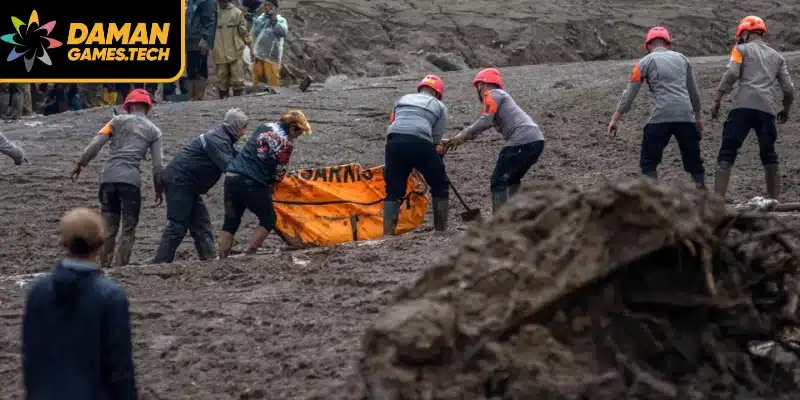
Landslip kills in West Java have left the local communities reeling with shock and sorrow. The region, which is no stranger to heavy rainfall, was struck by a devastating landslide that claimed numerous lives. Much like how unexpected challenges in life can impact individuals, platforms like Daman Game provide a way for people to engage and find distractions from such overwhelming events.
An overview of landslip kills
The landslip kills incident in West Java unfolded after days of heavy rains, which led to the fatal collapse of a hillside. This region, located in the western part of Java Island, is prone to landslides due to its steep terrain and tropical climate. The intense rainfall, which often occurs during the monsoon season, weakens the soil, making it unstable and susceptible to landslides.
The community, which relies on agriculture and rural development, found itself unprepared for such a devastating disaster. The local population, already grappling with the impacts of climate change, faced an even more challenging situation as the landslide claimed lives and destroyed properties. With roads and homes buried under tons of mud and debris, the response from local authorities was crucial, much like the strategic moves in a game of Daman Game, where swift decisions can alter outcomes in the face of adversity.
However, the extensive damage made it difficult to rescue survivors. In addition to the immediate casualties, the aftermath of the landslide continues to affect the psychological and economic stability of the affected communities. The incident highlights the growing concerns over infrastructure and emergency response in areas vulnerable to natural disasters.
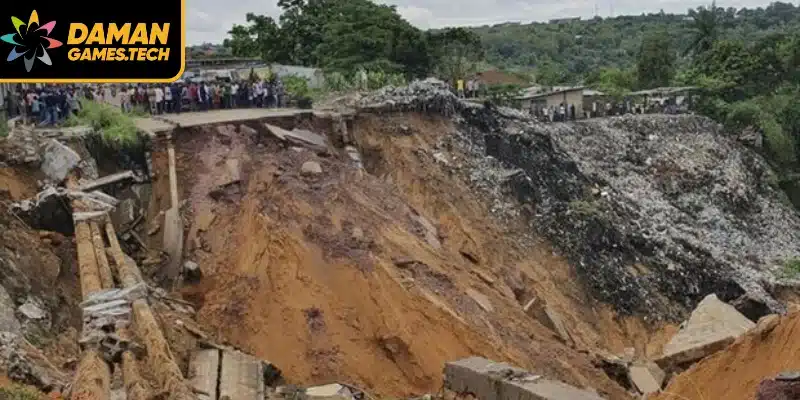
Heavy rains and landslip kills residents
As rain continued to pour relentlessly, the region of West Java experienced a tragic event in which landslip kills many of its residents. In the early hours, the residents were caught off guard as the hillside near their homes collapsed. The deadly mixture of water-soaked soil and unstable terrain led to a massive landslide, which not only buried homes but also claimed numerous lives.
The causes behind the landslip disaster
The landslip kills in West Java were primarily caused by persistent rainfall, which exacerbated the already fragile state of the soil. As the ground became saturated, it was no longer able to hold the weight of the soil and rocks above it, leading to a catastrophic landslide.
These types of natural disasters are often unpredictable, but the combination of human activity and climate change has made such events more frequent in recent years. Residents of the affected areas had little warning, as the rain intensified overnight, catching them off guard.
Impact on the local community
The landslip kills incident has left a deep scar in the West Java community. Families lost loved ones, and entire neighborhoods were devastated by the destruction. Many of the survivors were left without homes, and the road to recovery seemed impossible.
The local infrastructure was obliterated, and the affected residents are now dealing with the emotional and economic aftermath of the disaster. What makes the situation even more dire is the lack of sufficient resources to rebuild homes and restore basic services.
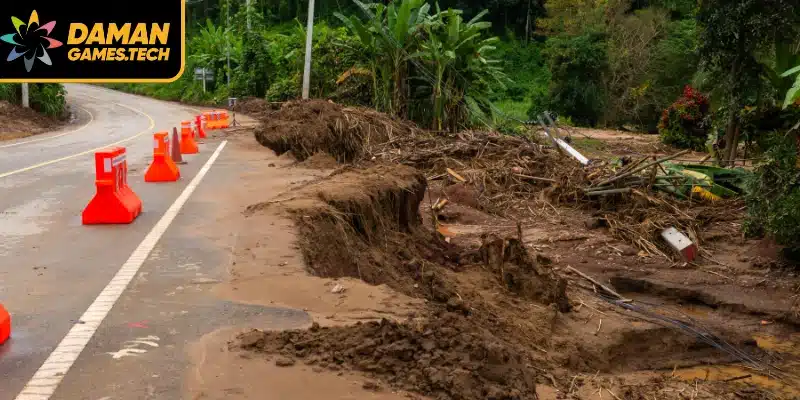
Local authorities’ response to the disaster
In the aftermath of the landslip kills tragedy, local authorities quickly mobilized rescue operations. Roads were impassable, and the heavy rains made it difficult for rescuers to access the most affected areas. Despite these obstacles, rescue teams worked tirelessly to search for survivors.
They faced challenges not only due to the terrain but also the risks posed by continued rainfall. The lack of proper evacuation plans in the region also delayed emergency responses, further complicating efforts to save lives. Local authorities are now focusing on recovery, but they face significant hurdles in terms of resources and coordination.
Preparing for future challenges: disaster readiness
The landslip kills event in West Java has highlighted serious gaps in disaster preparedness. While the region is prone to natural disasters, the infrastructure and response systems in place were not sufficient to handle the scale of the tragedy.
Going forward, there needs to be a reevaluation of the region’s preparedness for such events. Local governments must invest in better infrastructure, such as early warning systems, improved evacuation plans, and better flood management systems.
Challenges in search and rescue efforts
In the wake of the landslip kills tragedy, search and rescue efforts in West Java have faced multiple challenges. With large sections of the community buried under debris, rescuers faced enormous difficulties in reaching survivors. The region’s infrastructure, already weakened by the landslide, posed further hindrances.
Landslip kills and difficult terrain hindering rescue operations
The steep terrain in West Java made rescue efforts particularly challenging. Not only did the landslide cover vast areas of homes and roads, but the uneven landscape also made it extremely dangerous for rescuers to navigate. The region’s rugged geography and the continued threat of aftershocks and landslides further complicated the situation.
Rescuers had to proceed with extreme caution, making every attempt to uncover survivors while ensuring their own safety. These challenges highlight the need for specialized equipment and trained personnel to handle such complex rescue operations.
The effects of persistent heavy rainfall
Ongoing heavy rains have played a significant role in hampering rescue efforts. The incessant downpours made it nearly impossible for heavy machinery to be deployed in certain areas, and the constant threat of further landslips kills increased the risks for rescue teams.
Many of the affected areas were also unreachable by traditional means of transportation, forcing rescuers to rely on helicopters and other aerial solutions, much like how players rely on their skills to predict outcomes in Daman Game. Unfortunately, even these methods have been limited due to the weather conditions.
The importance of technology emergency response operations
In modern disaster response, technology has become an essential tool. In the case of the landslip kills tragedy, various technologies were employed to assist in rescue efforts. Drones were used to survey the affected areas, providing valuable aerial footage that helped pinpoint locations of trapped survivors.
Satellite imagery also helped emergency teams assess the extent of the damage. Furthermore, communication technology allowed rescuers to coordinate more effectively, even in difficult conditions. The role of technology in disaster management is becoming increasingly vital, especially in challenging environments like those found in West Java.
Conclusion
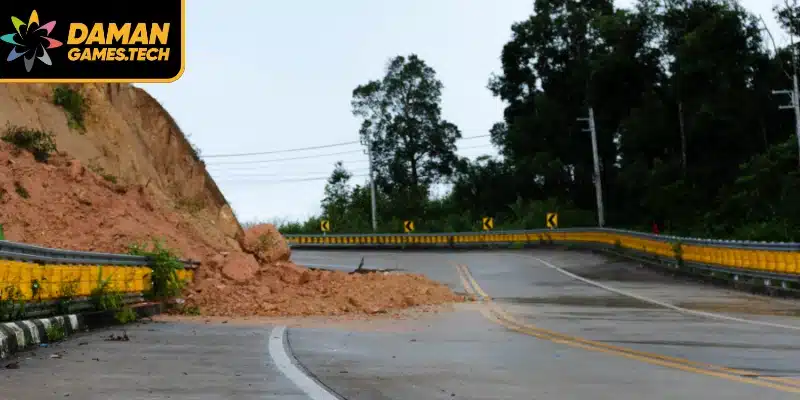
Landslip kills in West Java serve as a painful reminder of the vulnerability of certain regions to natural disasters. Despite the challenges faced by rescue teams, the resilience of the community and the authorities remains strong. Just like the quick response needed in such situations, Daman Game emphasizes the importance of being prepared for unexpected events.
