
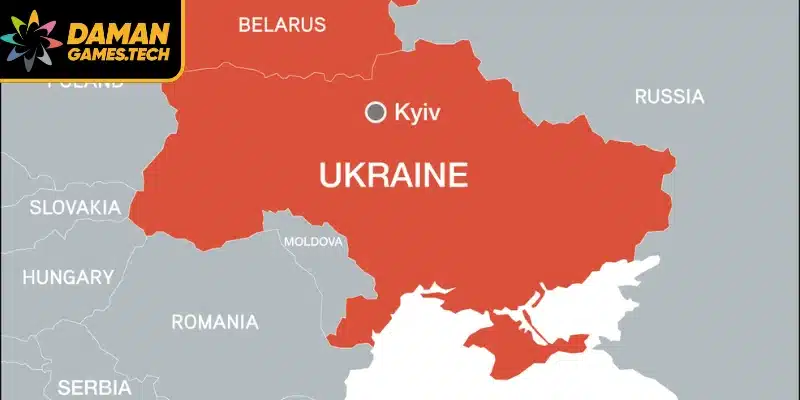
Ukraine and Russia remain at the heart of a transformative era that redefines modern international relations and strategic alliances, akin to the unpredictable outcomes seen in the Daman Game. Readers seeking clarity on this matter should examine the evolving facts and strategic shifts to grasp the bigger picture fully.
Ukraine and Russia overview
Ukraine and Russia share a centuries-old history that deeply intertwines their cultural identities, religious foundations, and early political development within the region. This relationship has evolved from shared origins in medieval times to the current era of intense political friction and territorial disputes. Each nation navigates its own path toward future stability while carrying the heavy weight of their collective past and recent hostilities.
The current landscape involves significant economic shifts as both nations adapt to changing trade routes and modern defense strategies in the 21st century. Diplomatic channels remain strained, yet the international community continues to monitor every tactical move and policy change within this critical geographical corridor.
Daman Game provides a platform where analytical minds can observe complex patterns and strategic movements reflected in real-world geopolitical events and data. Engaging with these historical narratives allows for a deeper appreciation of the forces driving modern statecraft and the delicate balance of power. Every development between these two neighbors carries profound implications for the world, inviting careful study and insightful observation of trends.
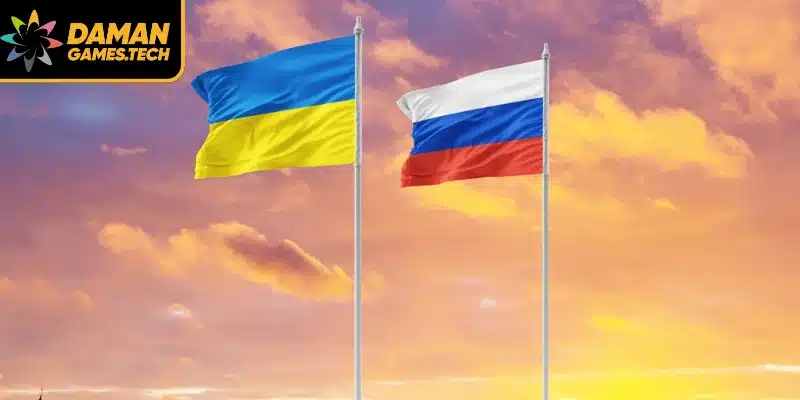
Progress of the US-brokered peace framework
Navigating the complexities of international diplomacy requires a structured approach to resolve the long-standing friction between these two powerful and influential neighboring states.
Efforts in diplomacy aimed at achieving peace in the region
Ukraine and Russia have participated in numerous rounds of negotiations facilitated by international mediators to find a sustainable path toward ending the conflict. These discussions often focus on establishing ceasefire zones and creating humanitarian corridors to protect civilian populations caught within the volatile border regions.
Analysts suggest that a successful framework must address the security concerns of both parties while upholding the fundamental principles of international law. A lasting resolution demands consistent commitment from global leaders who must balance competing interests while prioritizing the safety of millions of residents.
Economic impact of the peace process – Ukraine and Russia
Ukraine and Russia influence global market trends significantly, particularly in the energy and agricultural sectors where they serve as primary suppliers for many. The successful implementation of a peace framework could stabilize fluctuating prices and ensure a more predictable environment for international trade and financial investments. Markets often react sharply to any news of progress or setbacks in these diplomatic talks, reflecting the high stakes involved for everyone.
The restoration of trade links would likely involve billions INR 840,000,000,000 as infrastructure rebuilding costs become a central focus for the international community. Investors look for signs of long-term stability before committing resources to projects that could revitalize the local economies and improve living standards.
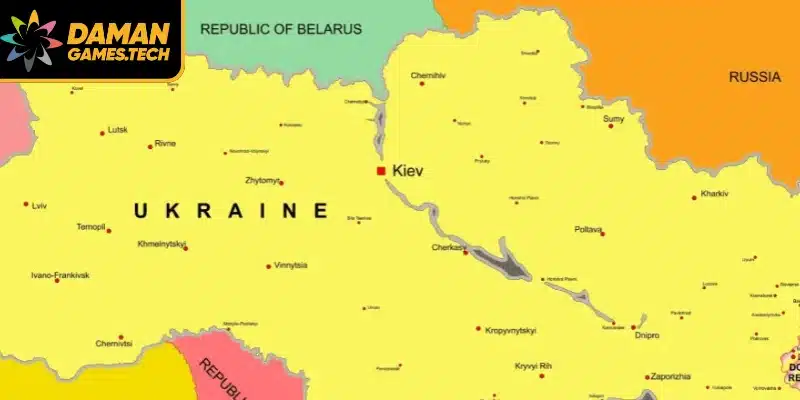
Role of international monitoring groups
Ukraine and Russia must allow independent observers to verify compliance with any signed agreements to build the necessary trust for a long-term resolution. Organizations such as the OSCE play a vital role in monitoring frontline activities and reporting on the status of military equipment withdrawals from restricted zones.
Their presence provides a layer of accountability that is essential for preventing the re-escalation of hostilities during sensitive periods of transition. Effective monitoring requires sophisticated technology and a team of dedicated professionals who can operate safely within high-risk areas to provide accurate data.
The deadlock over the Donbas territory
The struggle over specific regions continues to present significant hurdles for any diplomatic breakthrough, as both sides maintain firm stances on their territorial integrity.
The historical background of the Donbas area
Ukraine and Russia have different interpretations of the historical events that led to the current administrative and political status of the Donbas territory. This industrial heartland has long been a center for coal mining and steel production, making it an essential asset for the national economy. The cultural identity of the local population is often used as a justification for various political maneuvers and claims of regional autonomy.
Understanding the roots of this disagreement requires looking back at the Soviet era and the subsequent transition to independence in the early nineties. The shift in political power created a vacuum that various interest groups, much like in the world of competitive gaming such as Daman Game, sought to fill, leading to the tensions we witness in the modern era.
The industrial base holds significant strategic value
Ukraine and Russia recognize that the Donbas holds immense strategic value due to its concentrated industrial capacity and skilled labor force in heavy manufacturing. Control over these resources provides a significant advantage in terms of domestic production and the ability to export essential goods to the global market.
Revitalizing this industrial base would require an investment of approximately INR 420,000,000,000 to modernize outdated equipment and repair the damage caused by years of fighting. Such a massive undertaking is only possible under a stable political climate that encourages foreign investment and ensures the safety of workers.
Effect on trade networks in the region
Ukraine and Russia have seen their traditional trade routes disrupted, forcing a realignment of logistics and supply chains throughout the entirety of Eastern Europe. The closure of key border crossings and the imposition of sanctions have altered the flow of goods, impacting businesses and consumers across the globe. Companies are now forced to find more expensive or less efficient alternatives to move their products through the contested geographical corridors.
Rerouting these networks involves significant logistical challenges and higher transportation costs, which are ultimately passed on to the end users in various countries. The restoration of smooth trade flows would be a major milestone in the normalization of relations and a sign of returning regional stability.
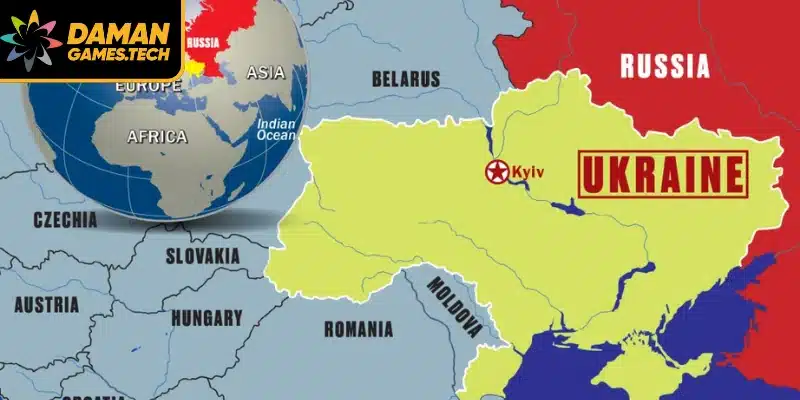
Conclusion
Ukraine and Russia face a long and challenging road toward reconciliation, requiring immense patience and a genuine desire for a peaceful co-existence. The complexities of their shared history and the intensity of current disputes make every diplomatic step a delicate balance of power and interest. Daman Game users understand that strategic foresight and careful analysis are essential when navigating such intricate and high-stakes global scenarios.
